Stressed cat: 12 signs to recognize and natural solutions
Stress in cats is more common than you might think. Contrary to popular belief, our feline friends are extremely sensitive to changes in their environment, noises, and disruptions to their routine. A stressed cat can develop behavioral problems, health issues, and experience a significant decline in its quality of life. In this comprehensive guide, we reveal the 12 telltale signs and the most effective natural solutions to help your companion achieve lasting calm.
Understanding feline stress: why is my cat anxious?
The main causes of stress in cats
Cats are territorial and routine-oriented animals. Any change in their environment can trigger an anxious reaction.
Environmental causes:
- Moving or rearranging the accommodation
- Arrival of a new pet or baby
- Change in household composition (departure, death)
- Construction work, unusual noises, or frequent visitors
- Lack of secure spaces or height
Care-related causes:
- Visit to the vet
- Travel by car or transport
- Excessive grooming or handling
- Sudden change in power supply
Medical causes:
- Chronic pain (osteoarthritis, dental problems)
- Thyroid diseases
- Neurological disorders
- Aging and cognitive decline
According to a study published in the Journal of Feline Medicine and Surgery , nearly 40% of domestic cats show signs of chronic stress without their owners realizing it.
The physiology of feline stress
When a cat is stressed, its body releases cortisol (the stress hormone) and adrenaline. In the short term, this reaction is normal and adaptive. But when it becomes chronic, it weakens the immune system, disrupts digestion, and can even permanently alter behavior.
Scientific reference: International Cat Care - Understanding Cat Stress
12 Signs of a Stressed Cat to Recognize
1. Changes in grooming habits
Signs to watch for:
- Excessive grooming (compulsive licking) can lead to hairless areas
- On the contrary, a total lack of grooming, a neglected and dull coat.
- Repetitive licking of the same area (flank, belly, paws)
A stressed cat can develop lick dermatitis, sometimes requiring veterinary intervention.
2. Sudden uncleanliness
Demonstrations:
- Urine or feces outside the litter box
- Vertical urine marking (jets against the walls)
- Refusal to use the usual litter
⚠️ Important: Consult a veterinarian first to rule out any medical cause (cystitis, urinary tract infection).
Resource: Veterinary Clinic - Urinary Problems in Cats
3. Unusual Aggressiveness
Typical behaviors:
- Sudden scratches or bites
- Breathing and defensive postures
- Ears flattened back, tail wagging
- Dilated pupils and tense body
Aggression is often a fear reaction in a cat that feels threatened or cornered.
4. Excessive hiding and isolation
Warning signs:
- The cat hides for hours, even days
- Refusal to interact with family members
- Preference for confined spaces (under the bed, in closets)
A cat that constantly hides is expressing an urgent need for security and tranquility.
5. Excessive meowing or vocal changes
Sound variations:
- Repeated plaintive meows
- Unusual nocturnal vocalizations
- Complaints during normal situations (meals, petting)
Excessive meowing can also indicate pain, especially in older cats suffering from arthritis.
Read also: Orthopedic cushion for cats with arthritis: relieving pain
6. Sudden loss or increase of appetite
Dietary modifications:
- Refusal to eat (anorexia)
- Compulsive eating (bulimia)
- Change in food preferences
Stress directly affects appetite. Rapid weight loss in cats can lead to hepatic lipidosis, a serious condition requiring urgent medical attention.
7. Sleep disorders
Observed disturbances:
- Insomnia or hypervigilance
- Fragmented and unrefreshing sleep
- Difficulty finding a suitable resting place
An adult cat normally sleeps 12 to 16 hours a day. Any significant change should be cause for concern.
Solution: Felted wool cat basket: a natural stress-relieving refuge
8. Stressful Body Postures
Revealing body language:
- Body curled up, head tucked in
- Tail curled tightly against the body
- Ears flattened laterally or backwards
- Shifty eyes or dilated pupils
- Tremors or muscle rigidity
Learning to decode feline body language is essential for detecting stress early.
Visual Guide: The Cat Behavior Clinic - Body Language Guide
9. Compulsive Behaviors
Common stereotypies:
- Repetitive figure-eight walking
- Obsessively chasing his tail
- Fixing invisible objects
- Repetitive movements without apparent purpose
These behaviors indicate a high and chronic level of stress requiring prompt intervention.
10. Recurrent diarrhea or vomiting
Digestive problems related to stress:
- Chronic diarrhea without an infectious cause
- Frequent vomiting (excessive hairballs)
- Feline irritable bowel syndrome
Stress disrupts the gut microbiota and can trigger chronic gastrointestinal disorders.
11. Hyperactivity or lethargy
Behavioral extremes:
- Frenzied running around for no reason (excessive zooms)
- Constant restlessness, inability to settle down
- Conversely: complete apathy, disinterest in the game
These two opposing manifestations can reflect intense stress.
12. Changes in social interactions
Relational changes:
- Avoidance of humans or other animals
- Aggression towards other members of the same species
- The purring has disappeared.
- Refusal of affection that is usually appreciated
A sociable cat that becomes distant is probably suffering from anxiety.
10 natural solutions to soothe a stressed cat
1. Create a safe environment with natural wool
The most effective solution: Sheep's wool has scientifically recognized anti-stress properties.
How does wool work?
- Natural thermoregulation : Maintains a stable body temperature, a key factor in well-being
- Acoustic insulation : The honeycomb structure of the wool filters out anxiety-inducing noises.
- Soothing texture : The softness of wool stimulates the production of endorphins.
- Sensory cocoon : Creates a reassuring refuge reminiscent of the maternal nest
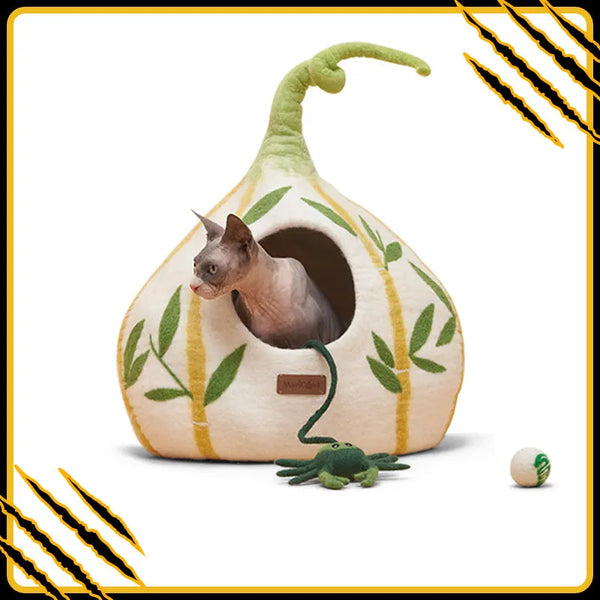
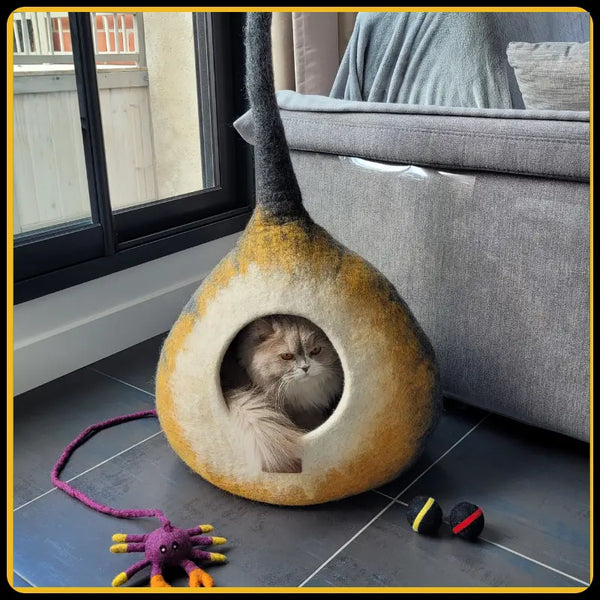
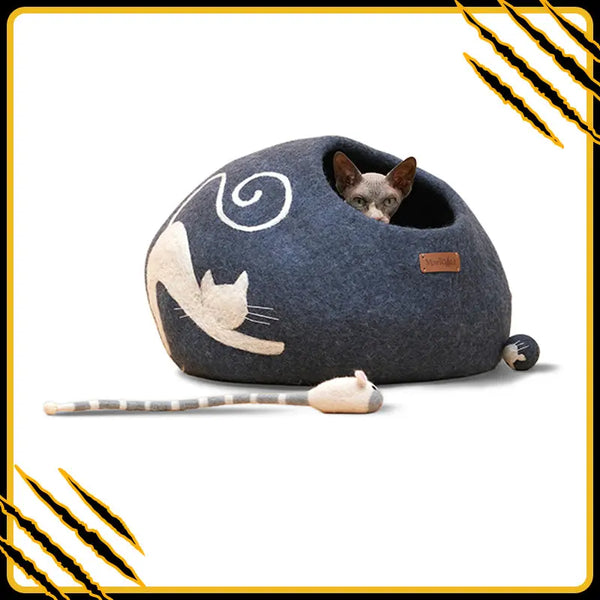
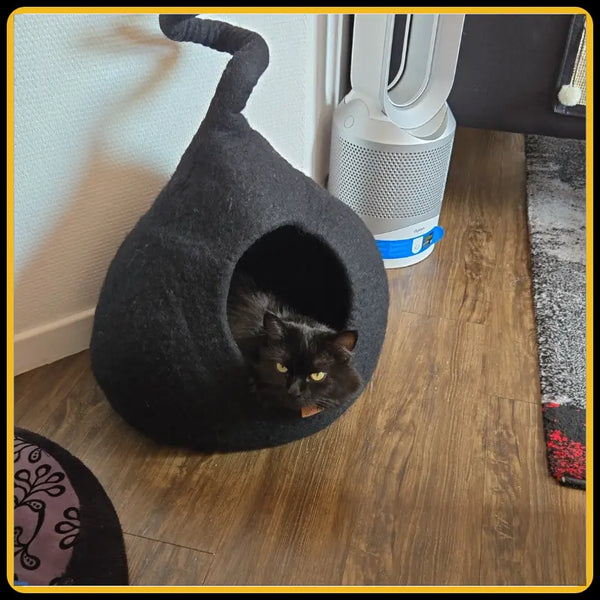
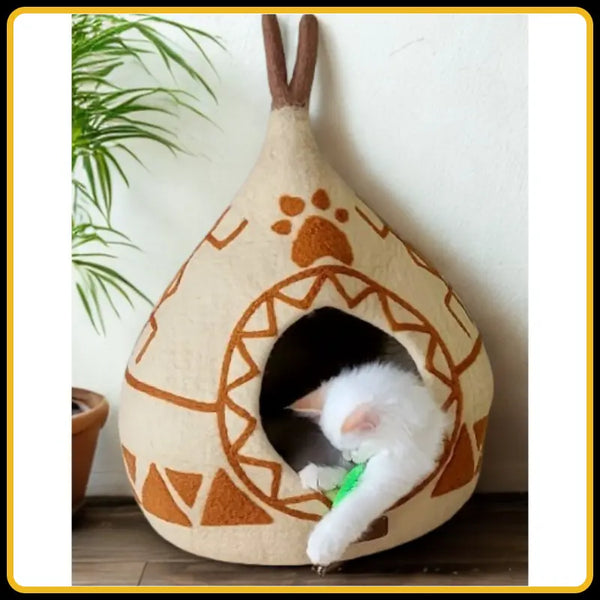
At MariGold Paris , our caves and baskets made of certified non-mulesing felted wool are specially designed to offer this anti-stress cocoon. Their organic shape allows the cat to curl up completely, recreating a feeling of total security.
Testimonial: "Since Luna has been sleeping in her MariGold cave, she's been transformed. She no longer hides and has regained her appetite." - Marie, Paris
Learn more: Anti-stress sheep's wool: how it naturally soothes your cat
2. Enrich the vertical environment
Cats have an instinctive need for height to safely observe their territory:
✓ Cat tree with multiple levels
✓ Secure wall shelves
✓ Perches near windows
✓ High hiding places (niches, hammocks)
Height provides a sense of control and significantly reduces territorial stress.
3. Respect routine and predictability
Cats are creatures of habit. To minimize their anxiety:
- Fixed meal times (morning and evening)
- Daily gaming ritual at the same time
- Maintaining the environment (avoiding sudden changes)
- Gradual progression in case of necessary modifications
4. Increase essential resources
Golden rule: number of cats + 1 for each resource:
- Litter boxes : 1 per cat + 1 extra
- Water bowls : Several hydration points
- Resting areas : At least 2-3 different sleeping areas per cat
- Scratching posts : Distributed throughout the passageways
This abundance reduces competition and territorial anxiety.
5. Soothing synthetic pheromones
Synthetic feline pheromones (Feliway®, Felisept®) mimic natural facial pheromones:
- Electric diffusers in the main rooms
- Sprays for transport or new areas
- Proven effective in 85% of cases according to veterinary studies.
Warning: These products are complementary but do not replace a suitable environment.
Source: Ceva Animal Health - Pheromone Research
6. Herbal medicine and natural supplements
Some plants possess recognized calming properties:
Valerian : Gentle relaxing effect
Passionflower : Reduces anxiety
Chamomile : Digestive soothing
Bach Flower Remedies (Rescue Pets) : Managing Stressful Situations
⚠️ Important: Always consult your veterinarian before administering any supplements, even natural ones.
Reference: French Society of Veterinary Phytotherapy
7. Enrichment through play and hunting
The game mimics hunting behavior and releases accumulated energy:
- Daily sessions of 15-20 minutes
- Interactive toys (fishing rods, balls, lasers)
- Rotating toys to maintain interest
- Treat hiding places to stimulate the hunting instinct
A cat that plays is a mentally balanced cat.
8. Soothing music and sounds
Studies have demonstrated the calming effect of certain sound frequencies on felines:
- Classical music (slow tempo, no percussion)
- Music specially composed for cats (Music for Cats)
- Sounds of nature (rain, birds at low volume)
- White noise to mask anxiety-inducing sounds
Recommended playlist: Through a Cat's Ear - Relaxation Music
9. Create multiple refuge areas
Each cat must be able to withdraw whenever it wishes:
- Caves and igloos scattered throughout the accommodation
- Cardboard boxes with cut-out entrances
- Tunnels for discreet movement
- Dark and silent hiding places
Our MariGold felted wool caves offer the ideal refuge: insulating, reassuring and aesthetically integrated into your interior.
Discover: How to choose the ideal cat house according to its size
10. The "quiet time" technique and gentle aromatherapy
The soothing ritual:
- A special moment every evening at a fixed time
- Quiet room with soft lighting
- Light lavender diffusion (caution: very diluted, cats are sensitive to it)
- Gentle caresses if the cat accepts them
- Calm voice and reassuring presence
⚠️ Feline aromatherapy: Pure essential oils are toxic to cats. Only use products specifically formulated for felines or consult a veterinary aromatherapist.
Resource: National Veterinary School of Alfort
When should you consult a veterinarian or behaviorist?
Emergency signs requiring prompt medical attention
Consult a doctor immediately if your cat exhibits:
🚨 Complete power outage for more than 24 hours
🚨 Sudden and dangerous aggression
🚨 Self-harm (licking until bleeding)
🚨 Persistent compulsive behaviors
🚨 Profound lethargy with dehydration
🚨 Inappropriate elimination associated with signs of pain
The behavioral approach
A veterinary behaviorist can:
- Establish an accurate behavioral diagnosis
- Propose a desensitization protocol
- Prescribe temporary anxiolytic treatment if necessary
- Supporting the family through environmental changes
Directory: Zoopsy - Certified Veterinary Behaviorists
Special cases: stressed senior cats and new arrivals
The anxious old cat
As cats age, they become more sensitive to stress:
- Cognitive decline (syndrome similar to Alzheimer's)
- Chronic, unexpressed pain
- Loss of senses (sight, hearing) generates anxiety
- Increased need for comfort and warmth
Specific solutions:
- Orthopedic pain relief cushion
- Strict adherence to routine
- Gentle cognitive enrichment (adapted games)
- Regular veterinary checkups
Related article: Senior cat mattress: comfort and orthopedic support
Welcoming a new cat: preventing stress
Gradual introduction protocol:
Week 1: Isolating the newcomer in a separate room with all their resources
Week 2: Swap blankets to get used to smells
Week 3: Eye contact through a glass door
Week 4+ : Short supervised meetings, then gradual increase
This method drastically reduces the stress of living together.
MariGold Paris's commitment to feline well-being
Products designed to reduce feline anxiety
Our range of natural wool bedding is not simply a decorative accessory, but a recognized therapeutic tool :
✓ Certified non-mulesing wool : Ethical and respectful of animal welfare
✓ Handcrafted in France : Quality and durability guaranteed
✓ Organic design : Naturally conforms to the feline morphology
✓ Suitable for cats up to 9 kg : Suitable for most breeds
✓ Easy care : Durable and washable
Our partnership with the SPA
As an official partner of the SPA , we donate a portion of our profits to animal protection and support feline welfare programs.
100-day peace-of-mind guarantee
We are so confident in the effectiveness of our products that we offer a 100-day money-back guarantee . Your cat has all the time it needs to settle into its new home.
7-step anti-stress protocol
Weeks 1-2: Setting up the safe haven
- Install a MariGold cave in a quiet location.
- Add a piece of clothing with your scent inside.
- Never force the cat to go in
Weeks 3-4: Environmental Enrichment
- Add some elevated perches
- Increase the resources (bedding, water, hiding places)
- Install a pheromone diffuser
Weeks 5-6: Ritualization
- Establish fixed times for meals and games
- Create a daily gaming ritual (15-20 min)
- Maintain a predictable routine
Weeks 7-8: Observation and adjustments
- Note the behavioral improvements
- Adjust the environment according to the observed preferences.
- Consult if there is no improvement
Testimonials: Cats transformed by the natural approach
"Felix had been aggressive since we moved. Thanks to his MariGold cave and the advice in this article, he regained his gentleness in 3 weeks." — Sophie, Lyon
"My vet recommended investing in a proper anti-stress bed. The wool basket worked wonders for Moka's anxiety." — Thomas, Bordeaux
"I never thought a simple change of bedding could have such an impact. Minette no longer hides and finally sleeps peacefully." — Isabelle, Nantes
Checklist: Is my cat stressed?
Check the behaviors observed in your cat:
☐ Excessive grooming or neglected coat
☐ Recent uncleanliness
☐ Unusual Aggression
☐ Constantly hides
☐ Excessive meowing
☐ Loss or gain of appetite
☐ Sleep disorders
☐ Tense body posture
☐ Repetitive behaviors
☐ Digestive problems
☐ Hyperactivity or lethargy
☐ Social avoidance
Results :
- 1-3 signs : Be vigilant, monitor the developments
- 4-6 signs : Likely stress, apply natural solutions
- 7+ signs : High stress, consult a veterinarian immediately
In short: feline well-being begins with understanding
A stressed cat isn't a capricious cat; it's an animal that's suffering and expressing its distress. By recognizing the signs early and applying effective natural solutions, you can radically transform its quality of life.
Natural wool , with its thermoregulating, soothing, and insulating properties, forms the basis of an optimal stress-free environment. Combined with appropriate enrichment, a stable routine, and attentive observation, it offers your cat the sanctuary it needs.
Give your cat the stress-free haven it deserves
Don't let your feline friend suffer in silence any longer. Our MariGold felted wool caves and baskets are scientifically designed to meet the stress-relieving needs of cats.
Discover our anti-stress collection in natural wool →
Additional articles
To learn more:
- Anti-stress sheep's wool: the science and benefits for your cat
- My cat is cold at night: 9 effective solutions
- Felted wool cat basket: comfort and ethics
- How to clean a wool cave: a complete care guide
- Anxious senior cat: adapting its environment
External scientific resources
- International Cat Care - Cat Stress & Anxiety
- Journal of Feline Medicine and Surgery
- American Association of Feline Practitioners - Behavior Guidelines
- National Order of Veterinarians
- Zoopsy - Animal Behavior
- National Veterinary School of Alfort
This article was written in collaboration with veterinary behaviorists and validated according to the latest research in feline medicine. Last updated: October 2025.