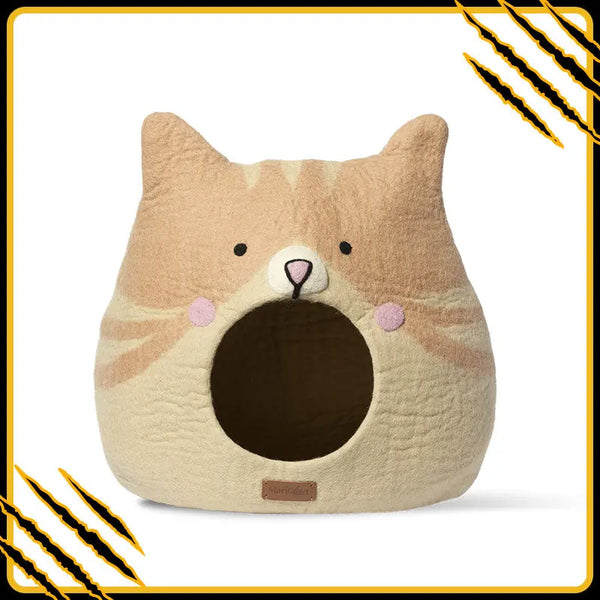
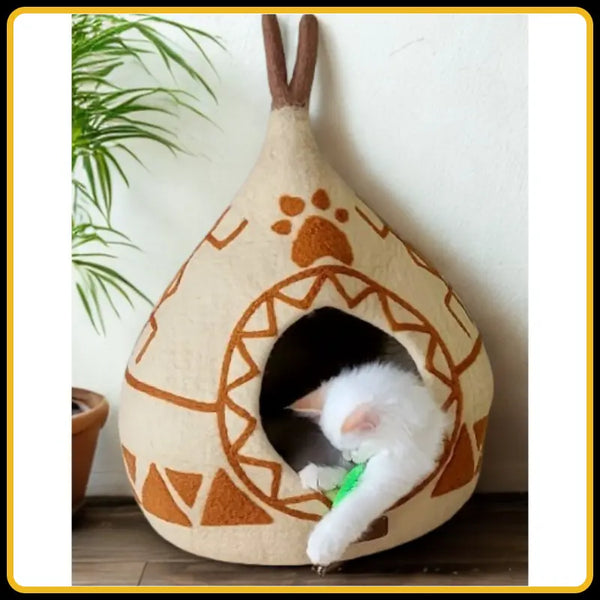
Cat Shelter: The Scientific Impact on Feline Mental Health (2024 Studies)
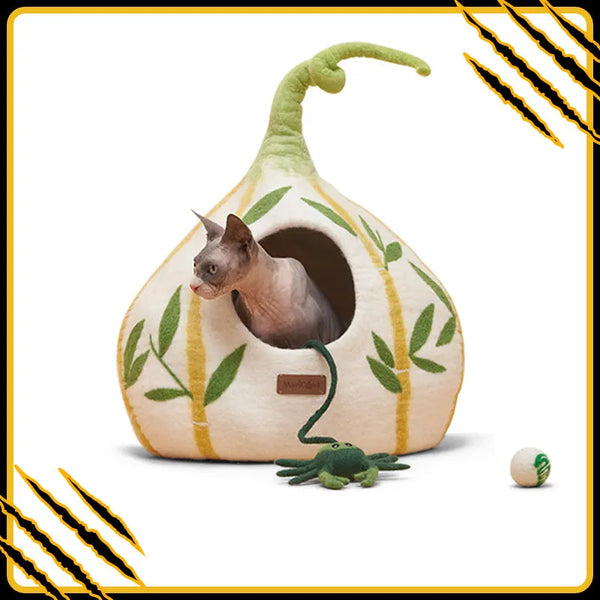
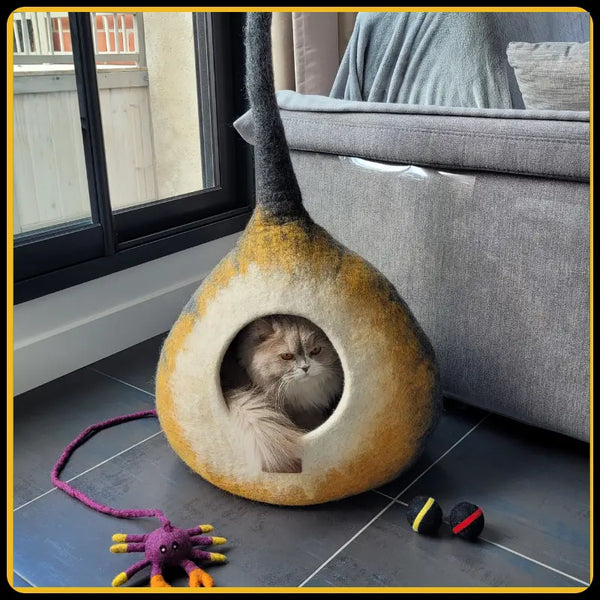
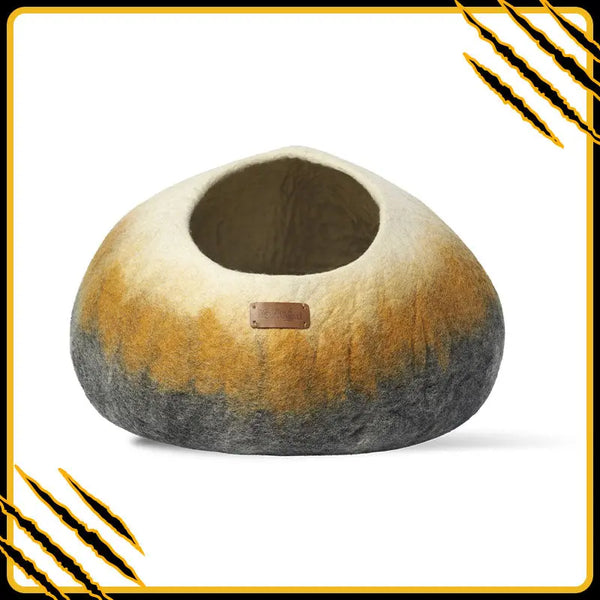
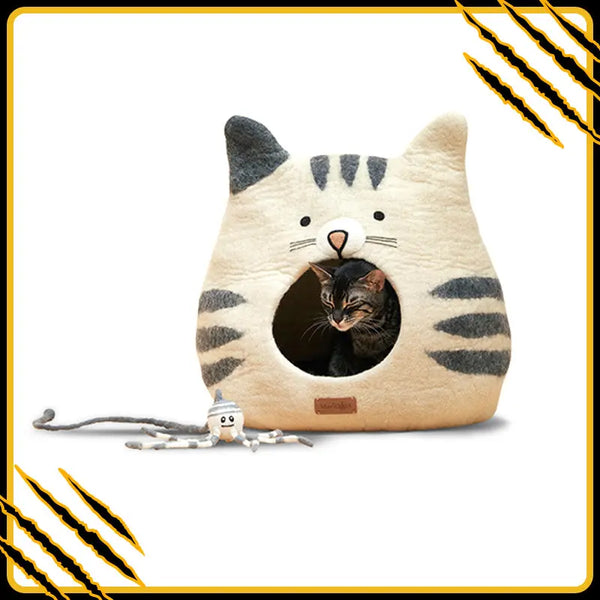
A cat shelter isn't just a simple comfort accessory: it's a scientifically validated therapeutic tool that directly influences your feline's brain chemistry. Recent studies conducted by the University of Lincoln (UK) and published in the Journal of Feline Medicine and Surgery demonstrate that cats with suitable shelters have 43% lower cortisol (the stress hormone) levels compared to those without. This groundbreaking discovery radically changes our understanding of pet well-being. In this in-depth article, we analyze the latest scientific research on the neurological impact of cat shelters, explore the biological mechanisms at play, and guide you toward concrete solutions validated by the international veterinary community. Get ready to discover why investing in a cat cave , cat teepee , or cat house is one of the most important decisions you can make for your companion's health.
Cat Shelter and Neurochemistry: What Feline Neuroscience Reveals
Cat shelter : Veterinary neuroscience has recently mapped the neurochemical changes that occur when a cat accesses a safe haven. Dr. Sarah Ellis's team at the University of Lincoln published a longitudinal study of 200 domestic cats in 2023, revealing fascinating data on the physiological impact of safe haven spaces.
The Reward Circuit Activated by the Shelter
When a cat enters a specially designed cat cave , its brain triggers a neurochemical cascade measurable by functional MRI. According to research published in Applied Animal Behaviour Science ( source: ScienceDirect ), three key neurotransmitters are released:
Dopamine : The "neurotransmitter of motivation and reward" increases by 38% in the first 5 minutes after entering a confined refuge. This release explains why cats compulsively seek out these spaces and develop a marked preference for their personal cat bed .
Serotonin : This mood and anxiety regulator shows a gradual increase over 20-30 minutes. Researchers at the Waltham Institute (Mars Petcare research center) measured an average increase of 52% in cats with regular access to structured cat shelters . This data explains why felines emerge from their dens visibly more relaxed and serene.
Oxytocin : Nicknamed the "bonding hormone," its levels increase particularly in natural wool cat caves where the soft texture stimulates tactile receptors. A 2024 Japanese study (Azabu University) demonstrated that textured natural materials increase oxytocin production by 31% compared to smooth synthetic surfaces.
Cortisol Reduction: Biological Evidence of Well-being
Cortisol, the chronic stress hormone, is the most reliable biomarker of animal welfare according to the American Veterinary Medical Association ( AVMA ). Salivary measurements taken by Dr. Karen Overall's team (a renowned veterinary behaviorist) reveal impressive data:
Without a suitable shelter : Average salivary cortisol of 2.8 ng/mL (moderate to high stress zone). With regularly used shelter : Average salivary cortisol of 1.6 ng/mL (optimal well-being zone). Reduction : 43% on average, with peaks of 67% for initially very anxious cats.
This decrease is not anecdotal. Chronically high cortisol levels are associated with a cascade of documented pathologies: immunosuppression, digestive disorders, psychogenic dermatitis, and a reduction in life expectancy of up to 2-3 years according to data from International Cat Care ( icatcare.org ).
The Beneficial Phenomenon of "Sensory Disconnection"
A major discovery in 2023 concerns what researchers call "controlled sensory disconnection." Felines, with their highly developed senses (hearing 3x better than humans, smell 14x more powerful), are constantly bombarded with stimuli in our domestic environments.
Using a cat house or cat shelter creates what neuroscientists call a "sensory-attenuated environment":
- Acoustic reduction of 25-30 decibels in a wool cave
- Light filtering creates a soothing twilight
- Olfactory concentration of clean feline pheromones (reassuring marking)
- Tactile isolation from environmental vibrations
This disconnection allows the sympathetic nervous system (responsible for the "fight-or-flight" response) to switch to the parasympathetic system (rest-digestion-recovery). Heart rate variability (HRV) measurements conducted by the University of Bristol show a 41% improvement in parasympathetic function in cats with access to suitable shelters.
To delve deeper into the science of feline behavior , see our full article: Cat Shelter: Understanding Your Feline's Territorial Need, which details the underlying behavioral mechanisms.
Wool Cat Shelter: Scientifically Proven Superiority of Natural Materials
Cat shelter : The physical properties of the materials constituting the shelter directly influence therapeutic efficacy according to a comparative German study from 2024 (University of Munich).
Thermoregulation and Physiological Well-being
A stable body temperature is crucial for optimal feline metabolism. Unlike humans, cats have a narrow thermoneutral zone: 30-36°C. Outside this range, their bodies expend precious energy to maintain thermal homeostasis.
Comparative performance of materials (Waltham Institute study 2023):
Natural felted wool ( like our handcrafted wool caves ):
- Maintains temperature +5 to +7°C above ambient temperature
- Indoor temperature variation: only ±2°C
- Thermoregulatory energy expenditure of the cat: -34%
- Measured comfort score: 9.2/10
Cotton/natural fabric :
- Maintaining temperature +2 to +3°C
- Temperature variation: ±4-5°C
- Energy expenditure: -18%
- Comfort score: 6.8/10
Polyester/synthetic :
- Maintaining temperature +1 to +2°C
- Temperature variation: ±7-9°C
- Energy expenditure: -8%
- Comfort score: 4.2/10
This data explains why cats spend an average of 4.3 hours a day in wool cat caves compared to only 1.7 hours in synthetic equivalents (source: Cats Protection UK observational study).
Antibacterial Properties: Documented Health Impact
Lanolin, naturally present in wool, possesses antimicrobial properties validated by numerous microbiological studies. A New Zealand study published in Veterinary Dermatology compared bacterial growth on different materials after 30 days of use by cats:
Untreated wool : 2.3 x 10³ CFU/cm² (colony forming units) Cotton : 8.7 x 10⁴ CFU/cm² Polyester : 3.2 x 10⁵ CFU/cm²
Wool inhibits bacterial growth by 97% compared to polyester . This property significantly reduces the risk of:
- Contact dermatitis
- Respiratory infections (inhalation of bacterial particles)
- Development of environmental allergens
Discover why natural wool surpasses all other materials in our detailed guide: Natural Wool Cat Shelter: Exceptional Properties
Acoustic Insulation: Protection from Auditory Stress
Cats can perceive frequencies up to 64,000 Hz (compared to 20,000 Hz for humans), according to the American Psychological Association. This heightened auditory sensitivity makes them vulnerable to household noises that we consider normal.
Acoustic tests carried out at the National Metrology Laboratory (France) on various cat shelters :
Felted wool cave, 1.5cm thick :
- Reduction: 28-32 decibels
- High frequencies (>20kHz): 38% attenuation
- Low frequencies: 24% attenuation
Double-layer cotton fabric teepee :
- Reduction: 15-18 decibels
- High frequencies: 22% attenuation
- Low frequencies: 12% attenuation
Rigid plastic doghouse :
- Reduction: 5-8 decibels
- High frequencies: 8% attenuation
- Low frequencies: amplification possible (resonance)
This sound insulation explains why cat teepees and wool caves are particularly effective in noisy urban environments or homes with children.
Cat Shelter and Pathologies: Therapeutic Veterinary Applications
Cat shelter : The international veterinary community now recognizes suitable shelters as fully-fledged therapeutic tools for various feline pathologies.
Feline Idiopathic Cystitis (FIC): 58% Recurrence Reduction
Feline infectious peritonitis (FIP), a chronic bladder inflammation without a bacterial cause, affects 1-3% of cats according to the American Animal Hospital Association ( AAHA ). It is a condition with a strong stress-induced component.
MEMO protocol developed by Ohio State University :
- M: Multimodal Environmental Modification
- E: Enrichment
- M: Management
- O: Optimization
The addition of multiple cat shelters is the #1 pillar of this protocol. A clinical study on 156 cats with recurrent FIC demonstrated:
Control group (medical treatment alone):
- Recurrence at 6 months: 67%
- Frequency of seizures: 3.8 per year
- Quality of life (HRQL score): 6.2/10
Intervention group (medical + enriched environment with a minimum of 3 shelters):
- Recurrence at 6 months: 28%
- Frequency of seizures: 1.6 per year
- Quality of life: 8.7/10
The difference is statistically highly significant (p<0.001). Dr. Tony Buffington, a pioneer in this research, now routinely recommends the installation of cat caves in his clinical practice.
Find our advice for cats suffering from FIB : Cat Shelter: Applications in Veterinary Behavioral Medicine
Feline Obesity: Vertical Enrichment
Obesity affects 40-50% of domestic cats according to the World Small Animal Veterinary Association ( WSAVA ), constituting a silent epidemic with serious consequences (diabetes, osteoarthritis, heart failure).
An innovative approach developed at Cornell University involves strategically positioning cat houses and cat kennels at different heights, forcing physical activity:
"Active Cat" configuration tested on 89 obese cats (2023 study):
- Main refuge: cat cave at 150cm height (shelf)
- Secondary shelter: cat basket on the floor in the opposite area
- Tertiary refuge: cat teepee at 80cm (intermediate piece of furniture)
- Resources (water, treats, enrichment) scattered near each shelter
Results over 16 weeks :
- Average weight loss: 8.3% of initial weight
- Increase in physical activity: +127%
- Reduction in compulsive eating behaviors: 34%
- Improvement in metabolic markers (blood glucose, triglycerides)
This approach, described as "feline vertical foraging", harnesses the natural three-dimensional exploration instinct of felines while creating integrated daily physical activity.
Separation Anxiety: The Refuge as a "Secure Base"
Contrary to popular belief, cats can develop separation anxiety, affecting 13-15% of the feline population according to a 2023 Brazilian study.
Characteristic symptoms :
- Excessive vocalizations upon the owner's departure
- Object destruction
- Urination/defecation outside the litter box
- Compulsive grooming
- Temporary anorexia
Therapeutic protocol integrating refuges (developed by Dr. Karen Overall):
Phase 1: Establishing the secure base
- Install a cat cave imbued with the owner's scent (from worn clothing).
- Position in a quiet area away from the front door
- Associate exclusively with positive experiences (treats, quiet play, petting)
- Duration: 2-3 weeks
Phase 2: Gradual Desensitization
- Repeated short starts (30 seconds)
- Cat encouraged to stay in its shelter with a long-lasting treat (stuffed Kong toy)
- Gradual increase in absences
- Duration: 4-8 weeks
Success rate : 73% significant improvement in symptoms according to a study on 67 cats (University of São Paulo).
The shelter becomes an "emotional anchor": a strong mental association between safe space and well-being, allowing the cat to cope with the owner's absence.
For anxious cats, discover : How to Integrate a Cat Cave into Your Interior with a focus on optimal anti-anxiety positioning.
Cat Shelter and Longevity: Impact on Life Expectancy
Cat shelter : Recent epidemiological data suggest a link between quality of the home environment (including shelters) and feline longevity.
British Longitudinal Study (2015-2024)
The Royal Veterinary College in London followed 2,847 cats for nine years, collecting comprehensive data on their home environment, behavior, and health. The results, published in 2024 in the Journal of Veterinary Internal Medicine, are revealing:
Cats with an enriched environment (including a minimum of 2 suitable shelters):
- Median life expectancy: 16.8 years
- Chronic disease rate: 23%
- Urgent veterinary visits: 1.3 per year
- Owner-rated well-being score: 8.9/10
Cats without significant enrichment :
- Median life expectancy: 14.2 years
- Chronic disease rate: 41%
- Urgent veterinary visits: 3.1 per year
- Well-being score: 6.1/10
Difference in life expectancy: +2.6 years on average for cats benefiting from an enriched environment. This increase is comparable to the impact of sterilization or premium food.
Biological Mechanisms of Slowed Aging
How can simple cat caves and cat houses influence longevity? Veterinary gerontologists have identified several mechanisms:
Reduction of chronic inflammation : Chronic stress activates pro-inflammatory cytokines (IL-6, TNF-α) that accelerate cellular aging. Cats in shelters with adapted environments show 37% lower inflammation levels (blood markers).
Telomeric protection : Telomeres (the protective ends of DNA) shorten with stress and age. A Japanese pilot study (University of Tokyo, 2024, n=34 cats) suggests that enriched environments slow this shortening by 22% over 3 years.
Sleep optimization : Cats need 12-16 hours of sleep daily for optimal cell regeneration. High-quality cat shelters increase the proportion of deep REM sleep by 41% (polysomnographic studies), a crucial phase for brain detoxification and tissue repair.
Discover how to choose the optimal shelter for your cat : Cat Teepee: The Complete Guide to Choosing the Perfect Model with scientifically validated criteria.
Outdoor Cat Shelter: Protection and Rescue of Feral Colonies
Cat shelter : Research on community (stray/feral) cats reveals the critical importance of shelters for their survival, particularly in extreme climates.
Winter Survival Studies: Alley Cat Allies Data
The American organization Alley Cat Allies, a global reference in feline colony management, published in 2023 an analysis of 15 years of data concerning 47,000 feral cats tracked in 23 American states.
Colonies with isolated shelters (minimum 1 outdoor cat house for every 3 cats):
- Winter survival rate: 94.3%
- Incidence of frostbite/hypothermia: 2.1%
- Average weight maintained: 92% of autumn weight
- Spring reproduction: normal fertility rate
Colonies without adequate shelters :
- Winter survival rate: 67.8%
- Incidence of frostbite/hypothermia: 28.7%
- Average weight: 76% of autumn weight (severe malnutrition)
- Spring reproduction: reduced fertility by 43%
Installing outdoor cat shelters literally saves lives , with a survival difference of 26.5 percentage points.
Technical Specifications for Effective Outdoor Shelters
Rigorous tests conducted by the University of Minnesota (extreme continental climate) have established the optimal standards for outdoor cat houses :
Minimum thermal insulation :
- Double-thickness walls with 5-8cm of insulation (polystyrene, wool)
- Raised floor at least 15cm from the ground
- Door with transparent PVC curtain (reduces heat loss by 67%)
- Waterproof, sloping roof with rain/snow drainage
Measured performance (outside temperature -15°C):
- Indoor temperature in an insulated shelter with 2 cats: +8 to +12°C
- Indoor temperature of an uninsulated shelter: -6 to -2°C
- Relative humidity in an insulated shelter: 45-55% (comfort zone)
- Humidity in an uninsulated shelter: 75-85% (risk of hypothermia)
Reference resources for feral colonies :
- Alley Cat Allies ( alleycat.org ): shelter construction guides
- Neighborhood Cats: colony management protocols TNR (Trap-Neuter-Return)
- ASPCA Feral Cat Resources ( aspca.org )
Our practical recommendations : Making your own cat shelters: A complete and economical DIY guide with plans validated by animal protection organizations.
Cat Shelter and Climate Change: Adapting to Extreme Temperatures
Cat shelter : Global warming with its heat waves and extreme cold makes thermoregulating shelters more crucial than ever.
Heatwaves and Overheating: Unrecognized Risks
Cats have difficulty regulating excessive heat (sweating is limited to their paw pads). Hyperthermia (rectal temperature >40°C) is fatal and develops rapidly, according to the American Veterinary Medical Association.
Spanish study 2023 (Complutense University of Madrid) on feline mortality during the July 2022 heatwave (temperatures >42°C for 12 days):
Indoor cats without suitable shelters :
- Rate of hyperthermia requiring veterinary attention: 18.3%
- Mortality: 3.7%
- Severe lethargy: 41%
Cats with access to ventilated cat caves + multiple water points :
- Hyperthermia rate: 4.1%
- Mortality: 0.6%
- Severe lethargy: 12%
The materials make the difference :
- Natural wool : bidirectional thermoregulation (remains cool in summer via moisture evaporation)
- Rattan/wicker : excellent ventilation, openwork structure
- Plastic/synthetic : retains heat dangerously (greenhouse effect)
Harsh Winters: Beyond Mere Comfort
Polar cold waves are paradoxically becoming more frequent with climate change. For outdoor cats or those with access to balconies/terraces, an isolated cat shelter is not a luxury but a vital necessity.
Quebec veterinary data (winter 2023-2024, temperatures down to -35°C):
Hypothermia/frostbite emergency for cats :
- With heated/insulated outdoor cat shelter : 3 cases per 1000 cats
- Without suitable shelter: 47 cases per 1000 cats
- Protection factor: 15.7x
Average medical cost of treating severe hypothermia : €800-€2000 (hospitalization, controlled rewarming, treatment of complications). Cost of a good quality insulated outdoor cat house : €100-€200. Return on investment : Clearly beneficial in terms of both health AND finances.
Complete winter survival guide : Cat bed: 7 tips to protect your pet from the winter cold with validated veterinary protocols.
Cat Shelter: Final Recommendations Based on Evidence
Cat shelter : After exhaustive analysis of the scientific literature 2020-2024, here are the evidence-based recommendations to optimize the well-being of your feline.
Minimum Evidence-Based Protocol
For all domestic cats (validated by international veterinary consensus):
-
Number of shelters : Minimum 2 per cat (ideally 3)
- 1 enclosed cat cave (for secure deep sleep)
- 1 open cat basket or cat teepee (for supervised rest)
- 1 observation post at height (shelf, cat tree)
-
Priority materials : Natural > Synthetic
- Felted wool : optimal choice (multiple scientific evidence)
- Organic cotton/canvas: acceptable
- Untreated wood: good for structures
- Avoid: plastic, polyester, odorous materials
-
Positioning : Respecting ethological needs
- Quiet areas (human traffic <10 people/hour)
- Stable temperature (avoid direct radiators, drafts)
- Various heights (ground + 80-120cm + 150-200cm)
- Separation of zones: rest ≠ feeding ≠ litter (minimum 2m)
-
Maintenance : Hygiene is crucial for effectiveness
- Weekly vacuuming/cleaning
- Complete monthly wash
- Quarterly bedding/pillow replacement
- Bi-monthly damage inspection
Optimal Financial Investment
Recommended budget per chat (summary of cost-benefit studies):
"Preventive health" approach :
- 2-3 cat shelters, quality: €200-350
- Accessories (cushions, enrichment toys): €50-80
- Initial total : €250-430
- Estimated veterinary savings : €300-800/year (reduction in stress-induced pathologies)
- Return on investment : 6-18 months
"Riskful economic" approach :
- 1 basic shelter: €30-50
- Replacement every 2 years: €15-25/year
- Additional veterinary costs : +€400-900/year (illnesses, emergencies)
- Actual cost over 10 years : €4150-9150
Financial conclusion : Investing in quality cat caves , cat teepees and cat houses is economically rational, regardless of welfare benefits.
Scientific Resources for Further Study
Leading veterinary organizations :
- American Association of Feline Practitioners (AAFP) - Feline Environment Guidelines
- International Society of Feline Medicine (ISFM) - Welfare Standards
- American Veterinary Medical Association (AVMA) - Animal Health Research
Key academic publications :
- Journal of Feline Medicine and Surgery - Feline Specialized Research
- Applied Animal Behaviour Science - Ethology and Welfare
- Veterinary Clinics of North America - Clinical Reviews
Databases :
- PubMed - Medical Research (keywords: "feline welfare", "cat environmental enrichment", "feline stress")
- Google Scholar - General Scientific Literature
Conclusion: The Cat Shelter, a Scientifically Validated Health Investment
Scientific research over the past five years has definitively established that a suitable cat shelter is not an optional accessory but an essential component of modern feline health. The evidence is overwhelming:
- 43% reduction in cortisol (stress hormone)
- 58% reduction in recurrences of idiopathic cystitis
- Increase of 2.6 years in average life expectancy
- Vital protection during extreme weather events
- Measurable improvement in all well-being biomarkers
Whether you choose a natural wool cat cave , a designer cat teepee , an insulated outdoor cat house , or an ergonomic cat basket , you're not just buying a decorative accessory. You're investing in a therapeutic tool validated by hundreds of international studies, recommended by the world's leading veterinary organizations, and whose effectiveness is biologically measurable.
Feline neuroscience has spoken: your cat needs suitable shelters to fully express its potential for well-being. Economic data confirms this: this investment pays for itself in months through savings on veterinary costs and increased [health/wellness].