How to Reduce Your Cat's Stress: The Crucial Role of Shelters and Refuges
Stress in Cats: An Underestimated Problem
Understanding Feline Anxiety
According to a study published by the University of Lincoln on feline behavior, nearly 40% of domestic cats show signs of chronic stress. Contrary to popular belief, cats are not perfectly self-sufficient solitary animals: they need a stable and predictable environment to thrive.
The American Association of Feline Practitioners (AAFP) identifies several major stressors:
- Environmental changes : relocation, construction, redevelopment
- Feline overpopulation : several cats in a small space
- Lack of personal resources : absence of fallback positions
- Excessive stimulation : noise, frequent visitors, young children
- Disrupted routines : change of schedule, prolonged absence of the owner
The Consequences of Stress on Health
A stressed cat quickly develops behavioral and physiological problems. The Cornell University College of Veterinary Medicine documents pathologies linked to chronic stress:
Behavioral problems : aggression, inappropriate urine marking, excessive meowing, self-mutilation by compulsive licking, loss of appetite or bulimia.
Health problems : idiopathic cystitis (inflammation of the bladder without infection), digestive disorders, weakened immune system, psychogenic dermatitis.
The good news? An enriched environment with suitable cat shelters significantly reduces these symptoms.
The Cat Shelter: A Natural Anti-Stress Shield
The Need for Territorial Security
The work of Dr. John Bradshaw, an ethologist specializing in cats at the University of Bristol, demonstrates that cats manage their stress by controlling their territory. Unlike dogs, which seek social comfort, cats prefer escape and isolation.
A cat shelter fulfills several essential psychological functions:
Decompression zone : A space where the cat can temporarily escape stressful stimuli. Like a mental refuge where it can replenish its energy reserves.
Visual control point : From its refuge, the cat observes without being seen, which activates its sense of control over the environment.
Personal olfactory marking : By rubbing its facial glands in its shelter, the cat creates a cocoon impregnated with soothing pheromones.
The Cat Cave: The Ultimate Refuge for Anxious Cats
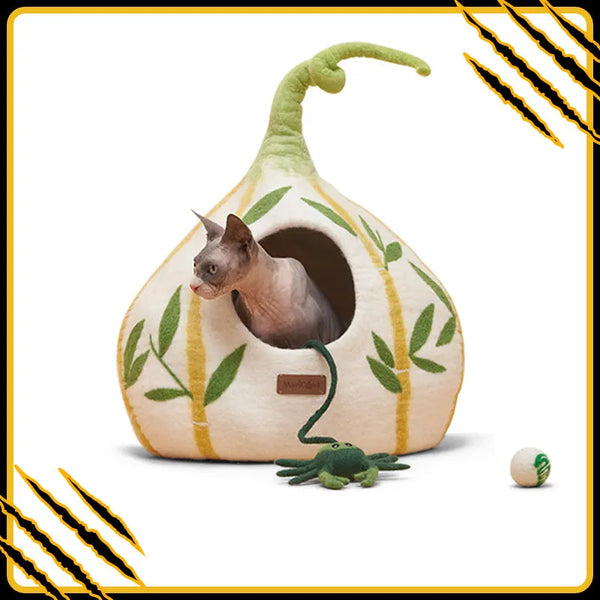
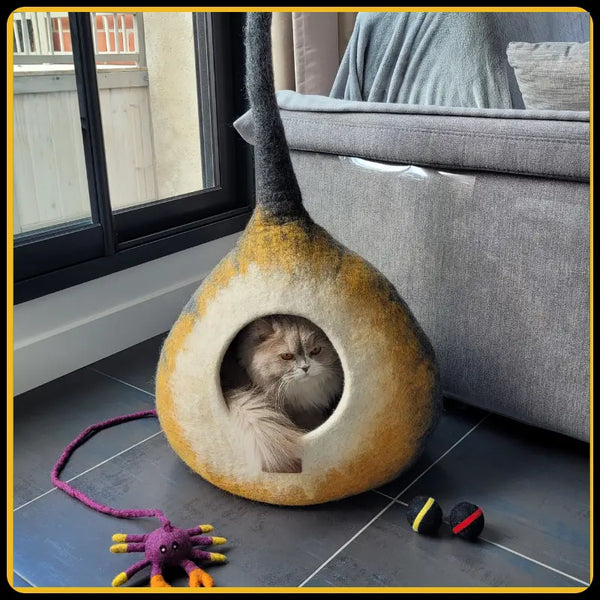
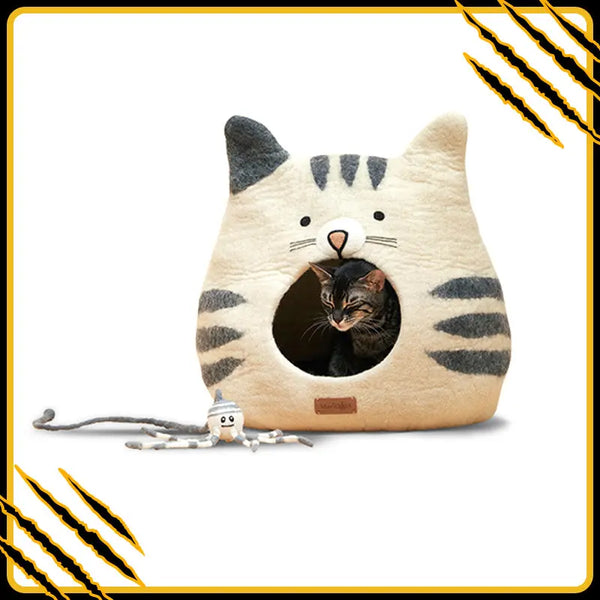
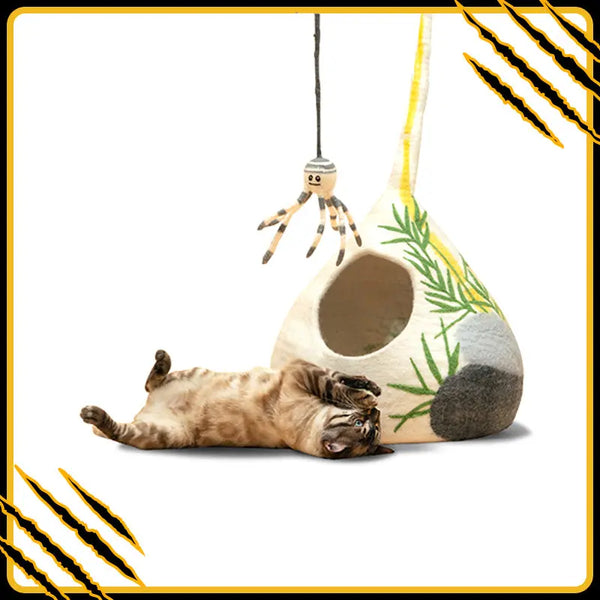
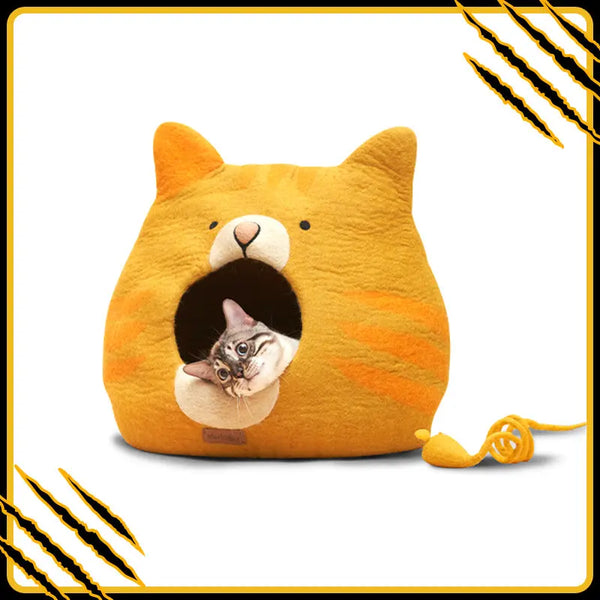
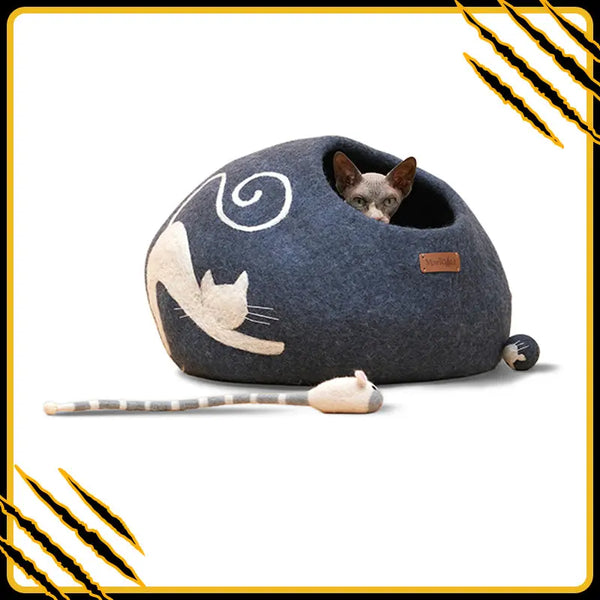
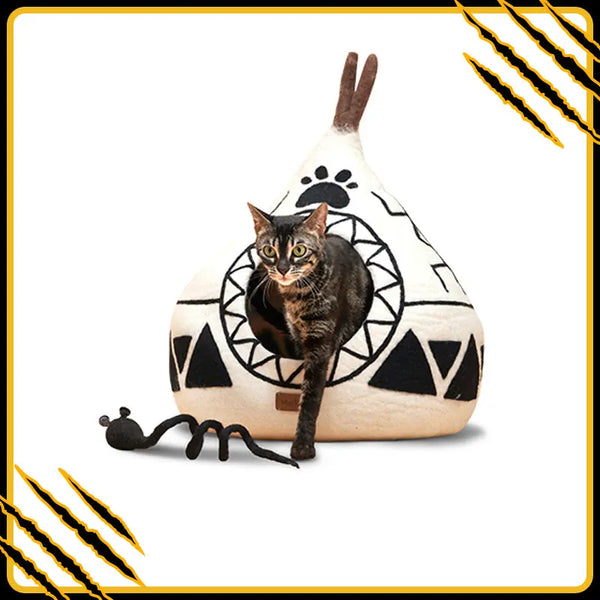
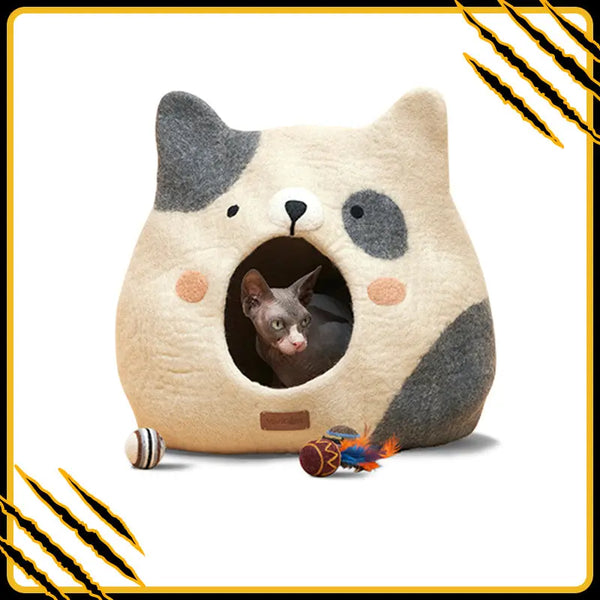
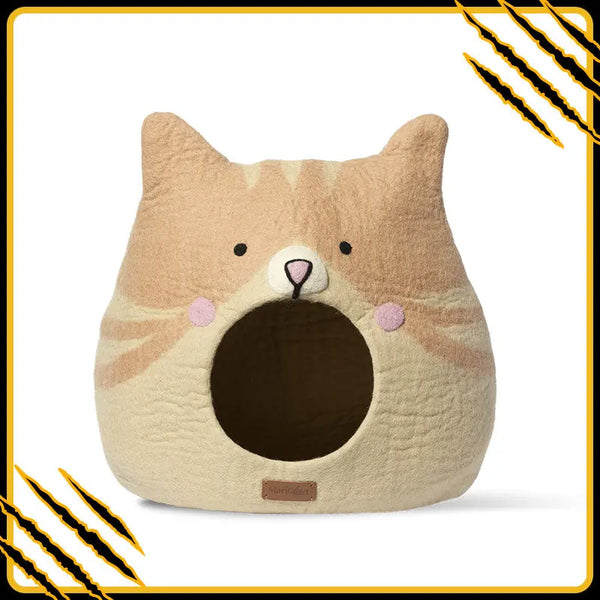
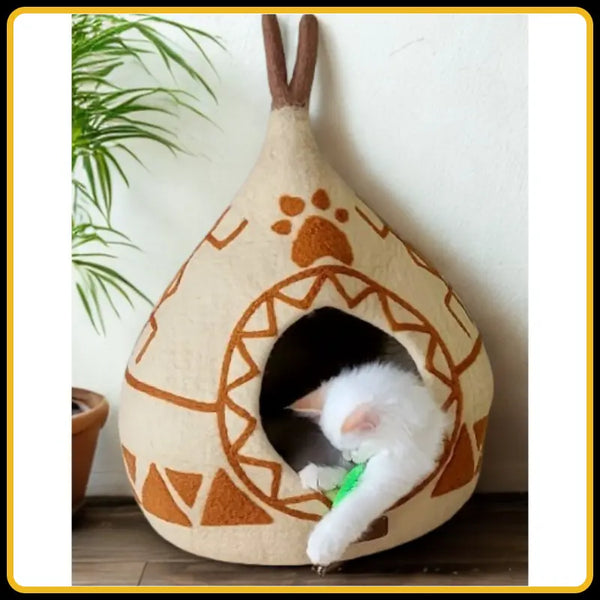
The cat cave is the ideal solution for particularly stressed or fearful felines. Its enclosed and enveloping structure replicates the natural dens they instinctively seek.
Therapeutic benefits :
Partial darkness stimulates the production of melatonin, a hormone that promotes relaxation and restful sleep. The closely spaced walls provide a feeling of containment similar to swaddling for human babies.
Cat profiles concerned :
- Newly adopted cats in their adjustment period
- Felines who have experienced trauma (abandonment, mistreatment)
- Naturally anxious breeds (Siamese, Abyssinian)
- Cats living in noisy homes or with children
- Seniors needing calm to manage pain
International Cat Care recommends placing the cat cave in a secluded location, ideally high up, to maximize the feeling of security.
The Cat House: The Inviolable Personal Space
More structured than a cave, a cat house clearly delineates a private territory. This notion of "ownership" is fundamental to a feline's psychological well-being.
Anti-stress architecture :
Models with two openings (entrance/exit) prevent the feeling of being trapped, which is especially important for cats who have had traumatic experiences. The rigid structure offers tangible protection against intrusions, unlike soft fabrics.
Strategic positioning :
In multi-cat households, each feline should have its own cat house . Dr. Mikel Delgado, an animal behavior researcher at UC Davis, advises following the "n+1" rule: for 3 cats, provide 4 separate shelters in different rooms.
Materials and soothing :
Raw wood releases naturally calming aromatic compounds. Cardboard, often underestimated, absorbs pheromones and quickly develops a reassuringly familiar scent. Avoid plastics, which don't retain feline odors well.
The Cat Bed: Comfort and Security with an Unobstructed View
Not all cats seek total isolation. Confident felines often prefer a cat bed that offers a panoramic view while providing comfort and warmth.
Psychology of the open bed :
A cat that chooses an open bed expresses trust in its environment. This is a positive sign of adaptation. However, even trusting cats need raised edges to create a psychological barrier.
Types of anti-stress beds :
Memory foam beds : Recommended by veterinarians for cats suffering from arthritis, a significant source of stress for senior cats. Pain reduction directly improves emotional well-being.
Heated beds : The heat (30-32°C) stimulates the production of endorphins, the feel-good hormones. Particularly effective for convalescent or anxious cats.
Hammocks and elevated perches : Respond to the need for observation from a high point, an anti-predation strategy inscribed in feline DNA.
Create a Multi-Refuge Environment
The Multiple Resources Theory
The concept of "environmental enrichment" developed by the Ohio State University Indoor Pet Initiative is based on multiplying resources. A single cat shelter , however perfect, is not enough.
Optimal spatial distribution :
- Main living area : 1 open bed for social interaction
- Room : 1 cave or house for moments of deep rest
- Office or quiet room : 1 extra haven for diversity
- Kitchen (if space allows): 1 sleeping area allowing supervision of meal preparation
This distribution ensures that a refuge is always accessible, regardless of where a source of stress arises.
Diversify the Types of Shelters
Offer multiple formats simultaneously:
A fabric cat cave in the living room, a wooden cat house in the bedroom, a soft cat bed near the radiator. This variety allows the feline to self-regulate its level of isolation according to its current emotional state.
Height and Sense of Security
Cats naturally manage stress through verticality. A raised refuge 1-2 meters off the ground instantly activates a feeling of security, even in very anxious cats.
Install some cat shelters on shelves, furniture, or cat trees. This height allows you to observe your cat without being approached, an ideal combination for reducing the hyperactive vigilance typical of chronic stress.
Supporting individuals through periods of intense stress
Arrival of a New Cat
Introducing a new member of your species is one of the most intense stressors. The protocol validated by the ASPCA (American Society for the Prevention of Cruelty to Animals) recommends:
Isolation phase : The newcomer remains in a separate room with its own cat house for 7-14 days. This allows for olfactory acclimatization without direct confrontation.
Shelter exchange : Regularly swap cat shelters between felines to mix odors and facilitate mutual acceptance.
Resource multiplication : Double the number of refuges before the final introduction to avoid territorial competition.
Moving and Changing Environments
Moving house can be a lasting trauma for a cat. Recommended adaptation strategy:
Prepare a "safe room" in the new home with familiar cat shelters imbued with the scents of the old home. The cat should remain confined there for 3-7 days before gradually exploring.
Keep your old shelters, even if they're worn. The familiar smell is infinitely more reassuring than new equipment. Wait 2-3 months for them to stabilize before replacing them.
One-off Stressful Events
Construction work, parties, and extended visits disrupt a cat's routine. Temporary solutions:
Install additional cat caves in rooms that are usually quiet (guest room, dressing room). Create "pop-up" shelters with cardboard boxes and blankets to quickly multiply retreat areas.
Use synthetic pheromone diffusers (like Feliway) near cat shelters to enhance the calming effect.
Signs that your cat is using its shelter properly
Positive Behaviors
An effective cat shelter generates observable changes:
Spontaneous use : The cat goes there on its own without prompting, particularly during stressful stimuli (doorbell, vacuum cleaner, arguments).
Grooming in the shelter : A cat that grooms itself in its cat bed or cat cave expresses a feeling of complete security. Grooming is a vulnerable activity that felines reserve for perfectly safe places.
Body relaxation : Purring, kneading, relaxed sphinx-like or side-lying posture indicate that the refuge is fulfilling its soothing function.
Reduction of anxious behaviors : Decrease in urine marking, defensive aggression, and excessive vocalizations in the weeks following installation.
Adjust as needed
An ignored shelter signals an inadequacy. Common causes:
Inappropriate location : Too much traffic, proximity to a noise source, lack of privacy. Test several locations before concluding that the shelter itself is unsuitable.
Inappropriate size : A cat shelter that is too large causes anxiety (no capacity) while one that is too small restricts movement, generating frustration.
Off-putting odor : New synthetic materials, perfumed detergents. Ventilate thoroughly, rub with a worn cloth to impregnate with a reassuring human scent.
Solutions for Extremely Stressed Cats
Gradual Habituation Protocol
For traumatized cats initially refusing all shelters:
Step 1 - Passive familiarization : Place the cat cave or cat house in a high-traffic area without forcing its use. Place treats inside daily to create a positive association.
Step 2 - Olfactory reinforcement : Rub the inside with a cloth that has been used to wipe the cat's facial glands (corners of the lips, temples). These facial pheromones naturally induce a calming effect.
Step 3 - Enhancement : Play with a fishing rod near and then inside the shelter. This playful activity distracts from anxiety and creates a positive memory associated with the place.
Step 4 - Encouraged rest : After a play session, place the exhausted cat in the cat bed so that it can experience restorative rest.
Depending on the case, complete habituation takes 2-8 weeks. Patience is key.
Behavioral Consultation
If, despite the provision of multiple cat shelters , stress persists with severe symptoms (anorexia, self-mutilation, dangerous aggression), a specialist consultation is necessary.
Certified veterinary behaviorists can temporarily prescribe anxiolytics while working on the environment. The website of the French Society of Veterinary Behavioral Medicine (SFMCV) can help locate a qualified practitioner.
Maintenance of Anti-Stress Refuges
Balance between Hygiene and Familiarity
The dilemma: a cat shelter must remain clean but retain comforting scents. Approach recommended by International Cat Care:
Partial cleaning : Vacuum weekly without washing the covers. Moderate accumulation of hair and pheromones strengthens the bond with the shelter.
Less frequent washing : Clean textiles every 2-3 months maximum, using unscented products. Leave a portion unwashed (the bottom of the cushion) to maintain the familiar scent.
Smart rotation : If you have two covers, alternate them, always keeping one item imbued with the cat's scent in the shelter.
Strategic Renewal
Abruptly replacing a used cat bed can trigger anxiety. Gradual approach:
Introduce the new shelter next to the old one for 2-3 weeks. The cat will get used to it visually and by smell. Gradually transfer items (cushion, blanket) from the old shelter to the new one. Remove the old shelter only when the new one is being used regularly.
Additional Anti-Stress Amenities
Create Leakage Circuits
Beyond static shelters, create "feline highways" allowing for quick escape in case of panic. Wall shelves, walkways, and access to upper furniture create a network where the cat can move around without touching the ground.
This freedom of vertical movement drastically reduces stress, particularly in homes with dogs or children. A cat that can instantly retreat to its high-perched cat cave develops increased environmental confidence.
Separate Resource Zones
Never place a cat shelter directly near:
- Litter (minimum 3 meters): eliminating is not resting
- Food bowls (at least 2 meters away): felines instinctively separate rest and feeding.
- Noisy appliances (washing machine, refrigerator): vibrations and unpredictable sounds
This spatial separation respects the cat's natural behavioral compartmentalization, reducing background anxiety.
Olfactory Enrichment
Combine cat shelters with soothing olfactory stimulation:
Catnip (Nepeta cataria) : Occasionally place a catnip-treated toy in the cat's bed . The temporary euphoria created will positively associate the cat's shelter with pleasant sensations.
Valerian : Some cats not sensitive to catnip respond to valerian. Similar relaxing effect.
Matatabi (Actinidia polygama) : Asian alternative producing relaxation and satisfaction in 80% of cats.
Caution: use these stimulants sparingly (1-2 times per week) to preserve their effectiveness.
Special Cases According to Feline Profiles
Kittens and Young Cats
Young felines in the midst of exploration need shelters adapted to their curiosity:
Cat caves with multiple openings transformed into a play area. The refuge function is gradually established through positive habituation.
Cat beds near areas of human activity to enhance socialization while providing a retreat area.
This period (0-6 months) shapes the future relationship with shelters. A kitten with its own cat shelter grows into a well-balanced adult who naturally manages its stress.
Senior Cats
Aging changes the needs for shelters:
Accessibility : Osteoarthritis limits mobility. Opt for cat houses on the ground with a low entrance (no ledge to step over). Elevated shelters become inaccessible and a source of frustration.
Orthopedic comfort : Memory foam cat beds relieve painful joints. Pain reduction directly improves mood and reduces stress-related irritability.
Therapeutic heat : Seniors have more difficulty regulating their temperature. Heated shelters (rugs, insulated caves) become essential for comfort and therefore for peace of mind.
Stressed Outdoor Cats
A cat with outdoor access but showing signs of stress (repeated injuries, weight loss) may be experiencing territorial conflicts. Solution:
Install a secure outdoor cat shelter (such as an insulated cat house) in the garden. This external retreat helps prevent fights while still allowing access to the territory.
Indoors, multiply cat caves and cat houses so that the home becomes the undisputed sanctuary where you can recover from external stress.
Anti-Stress Budget: Investing Wisely
Prioritize according to the Profile
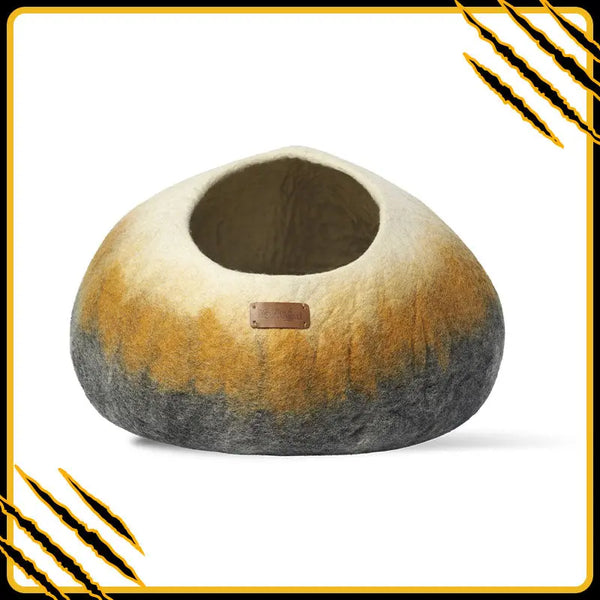
For a very anxious cat : Invest first in a high-quality cat cave (€60-80) made of natural material (wool felt). The quality and durability justify the price for intensive daily use over several years.
Balanced cat : A combination of mid-range shelters (€30-50 each) offers the necessary diversity without extra cost.
Limited budget ? Effective DIY solutions: repurposed cardboard boxes, blankets over chairs, improvised shelters. The key is to create multiple shelters, not their individual cost.
Value for Money Anti-Stress
A cat shelter that effectively reduces stress prevents:
- Veterinary behavioral consultations (€80-150)
- Anxiolytic treatments (€30-60/month)
- Material damage related to destructive behavior (variable)
- Medical complications of chronic stress (cystitis: €200-500 treatment costs)
Economically, investing €150-200 in an environment enriched with suitable shelters pays off from the first year.
Frequently Asked Questions
How long before my stressed cat uses its new shelter?
The duration varies depending on the intensity of the stress: 2-3 days for a moderately anxious cat, 2-4 weeks for a traumatized feline. Never force its use, as this will reinforce the negative association.
My cat sleeps everywhere except in the shelters I provide for him, is that normal?
Yes, if the cat isn't stressed. Well-balanced cats don't need constant isolation. Observe: does your cat use the shelters during stressful events (visitors, thunderstorms)? If so, their stress-relieving function is fulfilled even with occasional use.
Can we have too many shelters?
No, provided they don't overcrowd the living space. The rule is: as long as you can move around normally and each shelter has a distinct function/location, having more is beneficial.
Are synthetic pheromones necessary in addition to shelters?
Not mandatory but synergistic. Diffusers like Feliway enhance the calming effect of cat shelters , particularly during periods of intense stress. Average budget: €30/month.
Conclusion: L'Abri, Foundation for Feline Welfare
Feline stress is neither inevitable nor an immutable character trait. It stems directly from the mismatch between a cat's instinctive needs and its domestic environment. Providing a variety of accessible and strategically placed cat shelters is the first step in reducing stress, before any medication or complex behavioral therapy.
A welcoming cat cave , a territorial cat house , a comfortable cat bed : these refuges are not mere decorative accessories but therapeutic tools validated by veterinary and behavioral research. They allow cats to exercise environmental control, a fundamental psychological need of the feline species.
Observe your cat, identify signs of stress, provide multiple escape routes, and continuously adjust your approach. This will gradually transform your home into a haven of serenity where your cat can thrive, free from the chronic anxiety that affects so many domestic felines.
Sources and References :
- American Association of Feline Practitioners (AAFP) - Feline Environmental Needs Guidelines
- International Cat Care - Stress in Cats: What You Need to Know
- Cornell University College of Veterinary Medicine - Feline Health Center
- Ohio State University - Indoor Pet Initiative
- University of Lincoln - Feline Behavior Research
- ASPCA (American Society for the Prevention of Cruelty to Animals)
- French Society of Veterinary Behavioral Medicine (SFMVC)
Suggested Internal Links :
- [Understanding your cat's body language]
- [Anti-stress diet: what your cat should eat]
- [Designing a cat-friendly apartment]
- [Playing with your cat: reducing anxiety through activity]
- [Choosing the best cat tree for your feline]
- [Solving feline litter box problems]